Trip planningBangkok Guide
Where to Stay in Bangkok: Best Areas for First-Time Visitors
On this page
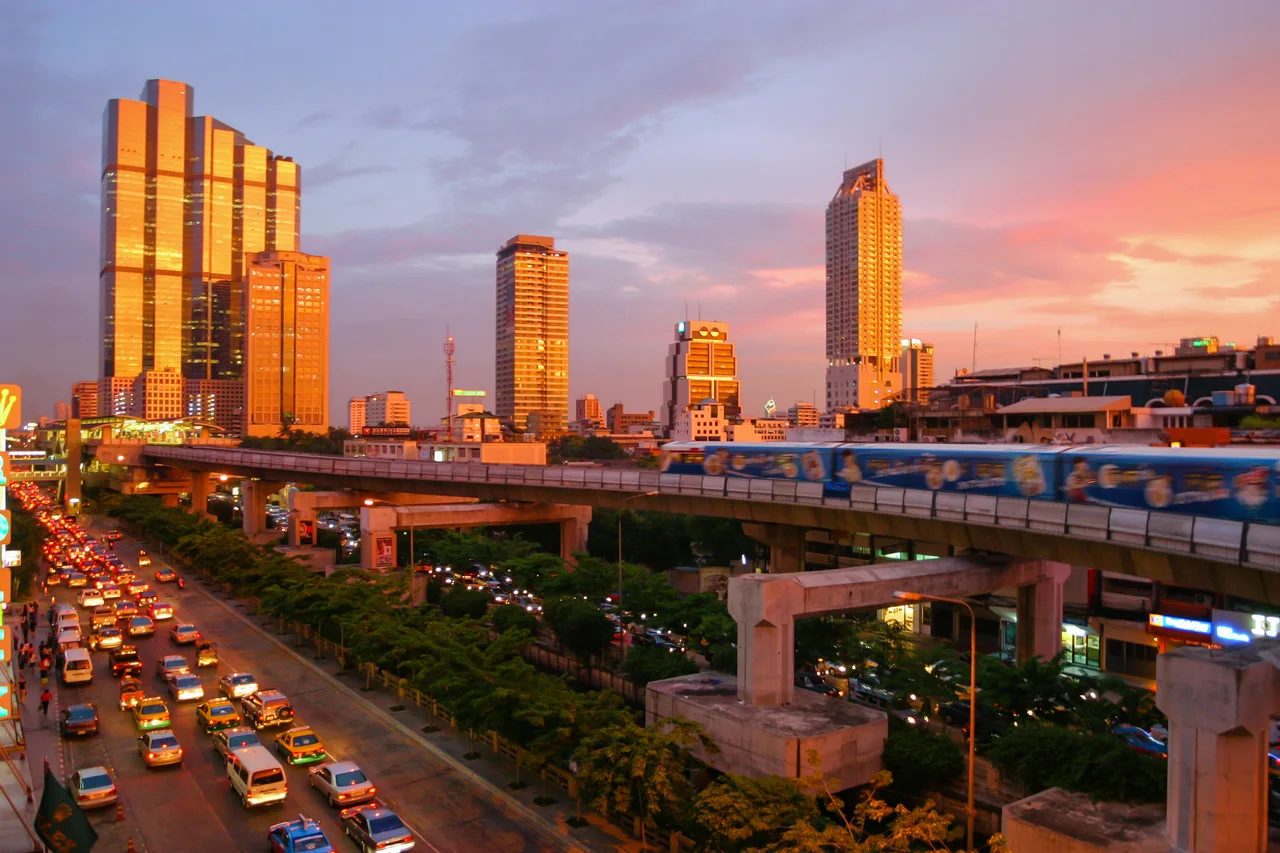

| Area | Verdict | Choose it when… |
|---|---|---|
| Silom | Best balance | Sala Daeng / Si Lom gives you BTS, MRT and Lumphini Park. |
| Sukhumvit | Rail and nightlife | Asok is your interchange; Phrom Phong suits mall and park breaks. |
| Siam | Shopping base | You want both BTS lines, malls and indoor meals together. |
| Riverside | Hotel time | A river-facing stay matters enough to plan around a pier or shuttle. |
| Old Town | Temple mornings | Sanam Chai puts you by Wat Pho; Banglamphu suits a social hostel stay. |
| Chinatown | Food evenings | You want Yaowarat after dark and MRT Wat Mangkon for daytime trips. |
The 500-metre limit is our hotel-search rule, measured along the usable pavement to a station entrance. A map pin beside the tracks can still involve a detour to a crossing. These are visitor areas, not administrative district boundaries.
Sukhumvit: Asok or Phrom Phong
Choose Asok if access to both BTS and MRT is the deciding factor. BTS Asok and MRT Sukhumvit meet at the Terminal 21 junction. Choose this junction when your days alternate between the historic centre and modern shopping districts.
Use the junction as the centre of your hotel search rather than selecting everything labelled “Sukhumvit”. Phrom Phong is one BTS stop east of Asok, beside Emporium, EmQuartier and Benchasiri Park. It suits a family wanting meals, shopping and a green-space break together; reaching the Blue Line adds the BTS ride back to Asok. Thong Lo and Ekkamai suit visitors with specific restaurants and bars there, but put those outings ahead of proximity to the royal temples.
For sleep, choose a room facing away from bars and the main road. Nana Plaza is on Sukhumvit Soi 4; Soi Cowboy sits between Soi 21 and Soi 23, and Soi 11 is another nightlife address. A high floor alone is a poor reason to accept a room directly over a venue. Families who want to avoid these entertainment streets should start their shortlist at Phrom Phong.
Benjakitti Forest Park lies south of Asok. A hotel described as “by Benjakitti” needs a separate route to the station: the park-facing location and the interchange are different advantages.
Siam: shopping and family breaks
Siam is the BTS interchange between the Sukhumvit and Silom lines. Choose it when your daily rhythm includes Siam Paragon, Siam Center, Siam Discovery and indoor food stops, with a return to the room between outings. The combination works particularly well with children who need a break from pavement walking.
National Stadium is one stop from Siam on the Silom Line. It is the more useful search anchor for MBK Center and Bangkok Art and Culture Centre. Chit Lom is one stop east of Siam on the Sukhumvit Line and suits the Ratchaprasong shopping area. A hotel advertised as “Siam/Pratunam” needs its own walking route: those labels cover more than the station forecourt.
The trade-off is a rail change for the Blue Line and the temple district. Pick Siam over Asok when shopping and indoor family time matter more than direct MRT access. For a quieter room, favour a side-street or inward-facing position over frontage on Rama I Road.
Silom and Sathorn: choose the station
Sala Daeng / Si Lom is the strongest fit for a mixed sightseeing trip. Lumphini Park gives this end of Silom an outdoor morning option. The BTS-to-MRT connection includes a walk between separate ticketed systems.
Sathorn covers a much larger hotel area than this interchange. A room by Chong Nonsi is useful for the BTS and Mahanakhon SkyWalk; a room by MRT Lumphini is useful for the Blue Line. Select the station that serves your planned days. A “Sathorn” address deep along a side street adds a walk or road journey each time you leave.
Silom also contains nightlife. Patpong’s lanes sit between Silom and Surawong roads, so “business district” is an unreliable promise of a quiet evening. For a park-focused family stay, favour the Sala Daeng end with a room away from entertainment frontage.
Riverside: choose the bank and pier
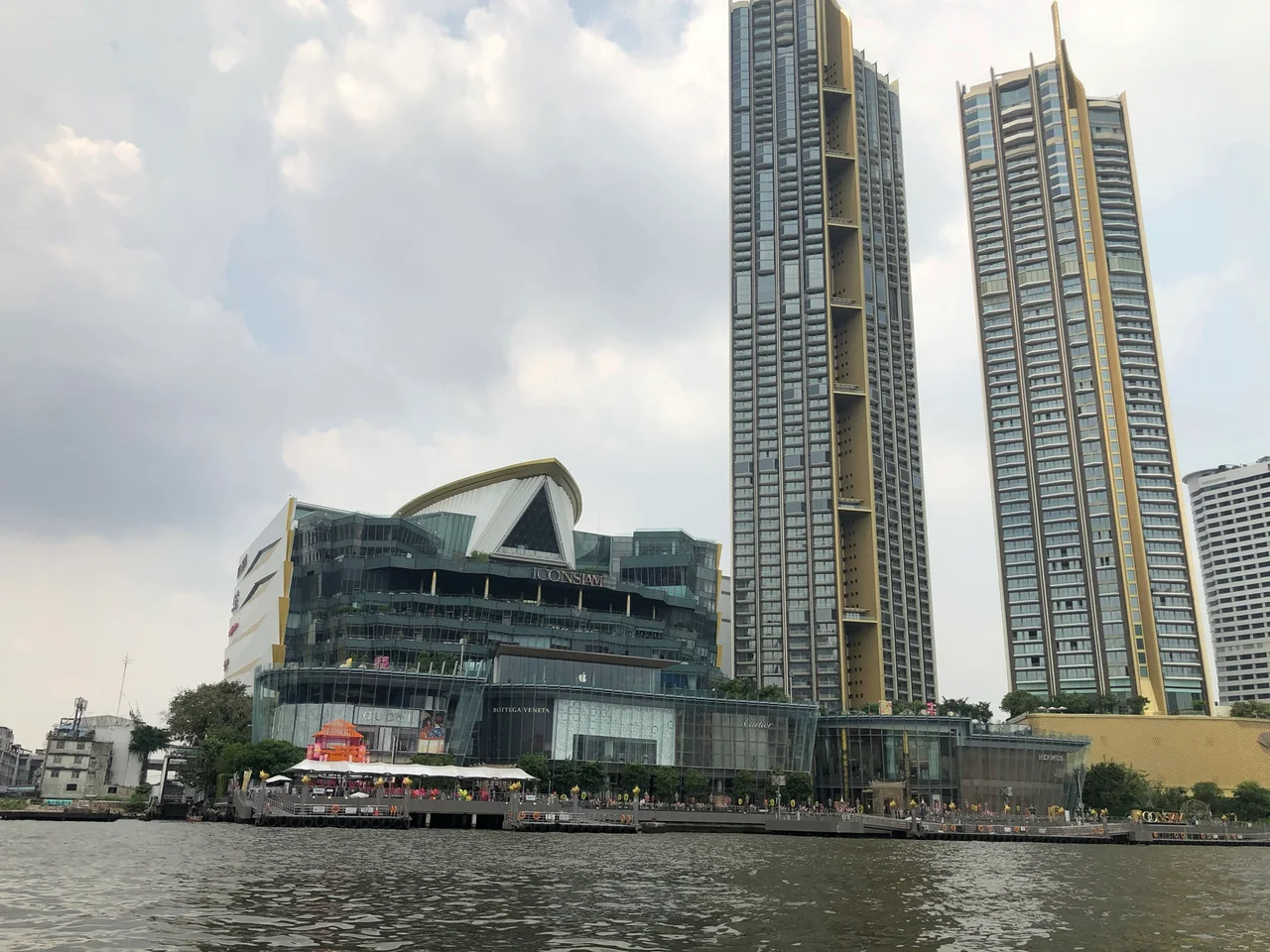

Choose Riverside when the hotel itself is part of the holiday: river views, a pool break and dinner nearby justify spending more time at the property. For the simplest connection between boats and trains, anchor the search at BTS Saphan Taksin and Sathorn pier on the east bank. This pairs the Silom Line with river sightseeing.
Farther north along Charoen Krung, a river address can mean walking or taking a hotel shuttle to reach that interchange. On the west bank, Charoen Nakhon station on the Gold Line serves ICONSIAM, with a change at Krung Thon Buri for the BTS Silom Line. A hotel opposite a pier across the river still needs a crossing; map distance over water is misleading.
For a property dependent on a private boat, the useful details are the exact landing point, departure interval and last return. Choose a hotel with a workable land route if late dinners elsewhere are central to the trip. Public river boats and hotel shuttles have separate schedules: plan a road return after the service you need finishes.
In a 2024 r/ThailandTourism discussion about a three-night trip covering the temples, Chinatown and MBK, readers disagreed with a generic Asok recommendation. Riverside supporters valued boat access and less noise; other contributors favoured the Old Town for the actual sights listed. For that temple-heavy combination, choose Sanam Chai for walking or Saphan Taksin for boat-and-BTS access.
Old Town: temples or Khao San
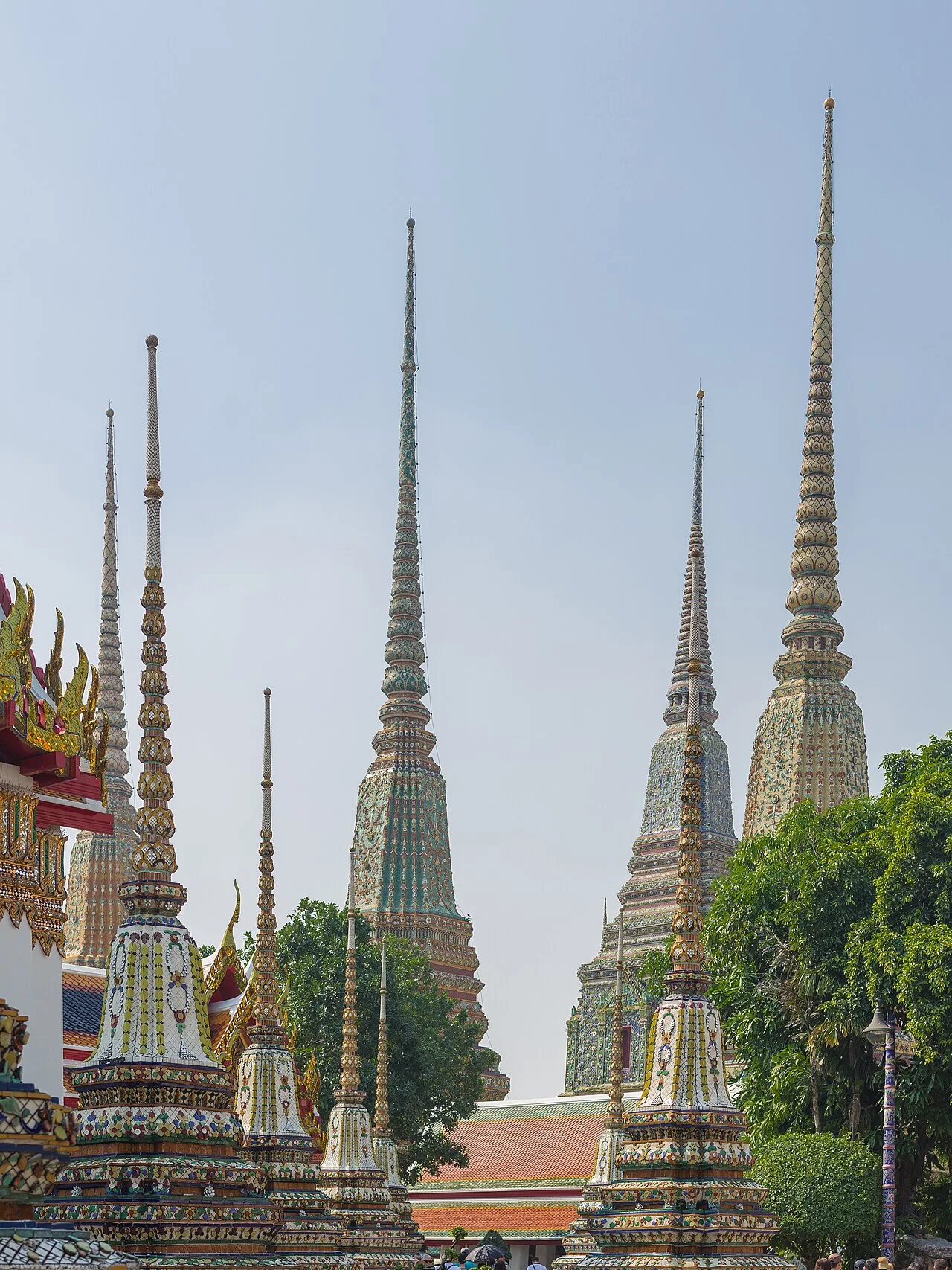

Sanam Chai and Tha Tien for the royal temples
For a short trip built around Wat Pho, the Grand Palace and a river crossing to Wat Arun, search around Sanam Chai and Tha Tien. Sanam Chai has a Blue Line station; its Exit 1 serves Museum Siam and the temple area, and Exit 5 serves Rajini pier. Walking to each attraction remains part of the day.
This is the best Old Town choice when temple mornings matter and you still want MRT access to Chinatown or Sukhumvit. Sam Yot is a separate Blue Line anchor farther east, useful for the Giant Swing side of the historic centre. Calling the whole Old Town “away from the metro” overlooks both stations.
Banglamphu for hostels and social evenings
Khao San Road and the surrounding Banglamphu streets suit travellers who want a hostel social scene and bars nearby. They sit north of the Sanam Chai hotel area and lack a BTS or MRT station on the doorstep. Search towards Phra Athit or Samsen for an alternative to sleeping directly above Khao San’s music, accepting boat or road travel for cross-city days.
A returning visitor in Reddit’s 2026 “which area should I stay?” discussion preferred Soi Rambuttri to Khao San for outdoor seating and a more relaxed holiday atmosphere. A room over a Rambuttri bar still calls for the same attention to sound insulation as a Khao San booking.
Chinatown: food on your doorstep
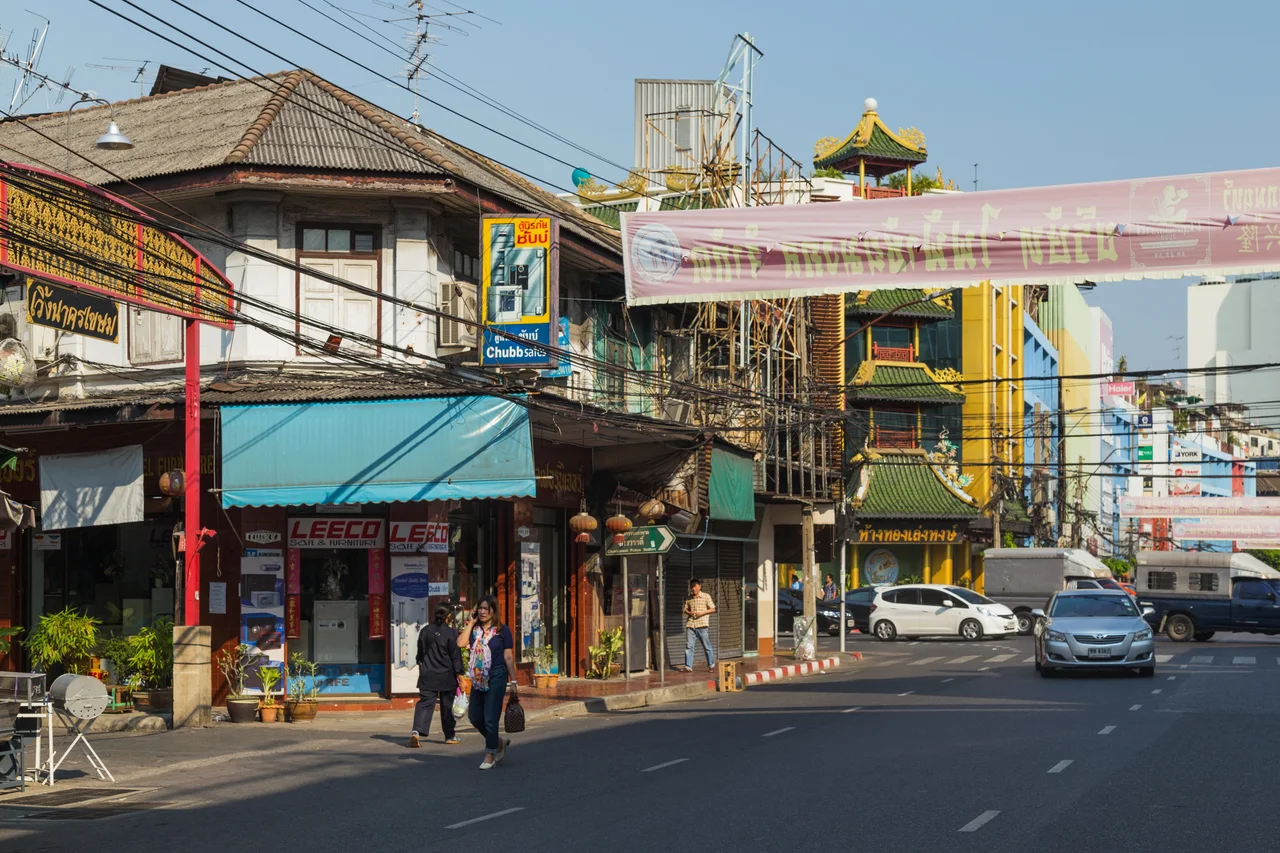

Stay near MRT Wat Mangkon if Yaowarat is where you want to spend several evenings. You can eat, return to the room and go out again without arranging another cross-city journey. The Blue Line makes this a food-focused base with rail access, rather than a stay dependent on taxis.
The choice carries a room-level trade-off: Yaowarat Road has evening crowds and traffic, while converted shophouses differ in lift access and sound insulation. Choose a side-street room with a lift if carrying luggage or travelling with a pushchair. Talat Noi is a separate search area south of the main food strip; a hotel marketed as “Chinatown” there needs its own route to Wat Mangkon.
For one food evening during an otherwise mixed trip, keep Silom or Asok as the base and visit by MRT. For repeat food outings, Chinatown earns its place as the base itself. The street-food guide gives a three-stop meal plan and explains ordering, payment and dietary choices.
How each base connects to the sights
For the Blue Line from Sukhumvit or Si Lom towards Chinatown and Sanam Chai, take a train heading towards Lak Song. From Wat Mangkon, Sanam Chai is two stops away via Sam Yot. Add the hotel-to-station walk and the destination walk to each rail journey.
- From Asok: MRT Sukhumvit to Sanam Chai for the southern Old Town or Wat Mangkon for Chinatown. BTS Asok to Siam for the shopping district.
- From Siam: BTS Silom Line to Saphan Taksin for Sathorn pier. For the Old Town by MRT, take the Silom Line to Sala Daeng, walk to Si Lom and continue to Sanam Chai.
- From Sala Daeng / Si Lom: MRT directly to Wat Mangkon or Sanam Chai; BTS directly to Siam or Saphan Taksin.
- From the river: reach your actual public pier for temple-area boats, or Saphan Taksin for the BTS. From Charoen Nakhon, take the Gold Line to Krung Thon Buri and change to the Silom Line.
- From Sanam Chai or Wat Mangkon: use the Blue Line to Si Lom for the BTS connection towards Siam, or stay on it to Sukhumvit for Asok.
For Suvarnabhumi arrivals, Phaya Thai connects the Airport Rail Link with the BTS; Makkasan connects by a pedestrian link to MRT Phetchaburi, one Blue Line stop from Sukhumvit. Phaya Thai or Ratchathewi also deserves a hotel search for a short stay prioritising the airport train and Siam. Don Mueang uses a different airport rail route: do not choose a hotel beside the Airport Rail Link for that airport.
Turn an area into a hotel shortlist
- Pick the activity that repeats. One temple day fits a Silom or Asok stay; temple walks on successive mornings favour Sanam Chai. A nightly Yaowarat meal favours Wat Mangkon. Returning to the hotel for a child’s nap favours the area containing that day’s activities.
- Draw the station walk. Apply the 500-metre walking limit to the entrance you will use, including road crossings. For wheelchair or pushchair travel, use the station’s lift entrance and a continuous pavement route. A staircase beside the hotel provides little help with a chair.
- Choose the room position. Read recent reviews of the same room category for named bars, traffic, construction and connecting-door noise. A courtyard-facing room and a street-facing room in one building can give very different nights.
- Judge the final total for your party. Use the full stay, room occupancy, taxes, breakfast and any child or extra-bed charge. Choose a refundable rate when your dates remain unsettled. A lower room bill farther along a soi buys less convenience if every return needs paid transport.
For a three-night first visit, keep one base: a hotel change uses time for packing, luggage transport and another check-in. If Bangkok bookends a longer Thailand trip, use Sanam Chai or Riverside for the temple-focused stay and Siam or Sukhumvit for the shopping-focused return. Match outdoor plans and indoor breaks to the season’s heat and rainfall.
Other accommodation questions
Should I stay by the airport for a one-night stopover?
Choose an airport-area hotel when the night is mainly for sleep between flights and the next departure is early. Match the hotel and shuttle to BKK (Suvarnabhumi) or DMK (Don Mueang); they are separate airports. A hotel at one is a poor transfer base for the other.
Which area works for a Chatuchak shopping trip?
A hotel near BTS Mo Chit or MRT Chatuchak Park puts you beside the weekend-market area. Choose it when the market and northern Bangkok are the purpose of the stay. For a single market outing during a temple-and-shopping trip, keep your central base and travel there by rail.
Does an early arrival mean I need an extra hotel night?
If a room on arrival is essential, reserve the preceding night and tell the hotel your arrival time so the booking is held. Otherwise, arrange luggage storage until the booked check-in time. A morning flight arrival does not bring the room’s check-in forward.
Is a hostel dorm a good fit for a family?
Choose a private room whose stated occupancy includes every adult and child. A dorm listing sells beds under its own age and occupancy rules. Family rooms, connecting rooms and an extra bed are different arrangements; book the one explicitly included in the reservation.
Editorial information and sources
Prepared by the Bangkok Guide editorial team. Rail connections and Sanam Chai access checked November 4, 2026. Area verdicts and the walking-distance limit are editorial recommendations.
Keep exploring
Bangkok Street Food Guide: What to Eat and Where to StartBest Time to Visit Bangkok: Weather, Rain and Crowds by MonthBangkok Art and Culture Centre