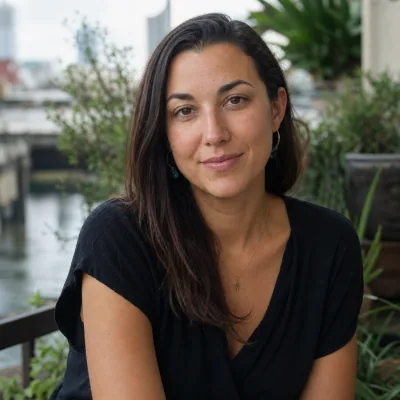
Abigail Foster
I trace Bangkok through shrines, archives and galleries, and tell you what still feels alive when you arrive.
I moved to Bangkok from England in my late twenties, thinking I would stay a year while I freelanced and learned the shape of the city beyond the postcards. What kept me here was the way history sits in plain view: spirit houses beside office towers, old shophouses tucked behind new stations, river communities still orienting daily life around the water. I found myself returning to temple compounds at different hours, listening to curators explain one object three ways, and walking neighborhoods slowly enough to notice what had changed since the last visit. Bangkok rewarded patience, and that changed how I work.
For this site, I focus on heritage, museums, religious architecture and contemporary art, with most of my reporting grounded in places readers can actually reach without fuss. I regularly cover Rattanakosin, Yaowarat, Talat Noi, Bang Rak, Ari and Thonburi, and I use the BTS, MRT, Chao Phraya Express Boat and canal boats to map how a visit fits into a real day. My pieces range from temple etiquette at Wat Pho and Wat Arun to exhibition notes for Bangkok Art and Culture Centre, Museum Siam, Jim Thompson House Museum and warehouse galleries around เจริญกรุง. I am interested in what a site means locally, not just what it looks like in photos.
I report these guides the same way I report any cultural story: I go in person, I verify details close to publication, and I note what can shift without warning. I check ticket prices, donation expectations, gallery entry policies, temporary closures, last admission times and dress rules directly with venues or official channels, then compare them with what is happening on the ground. When I mention historical context, I cross-check dates, names and interpretations against museum labels, academic sources and primary materials where available. If a page includes partner links, I say so plainly, and that never changes what I recommend or leave out.
An English-speaking reader benefits from my angle because Bangkok can be easy to reach and hard to read at first glance. A temple visit may look simple until you are unsure which entrance to use, whether a mural is being restored, or why one district feels Chinese, Portuguese and Thai at once. I write for people who want more than a checklist but do not want to wade through jargon either. My aim is to give enough context to make a place legible, enough practical detail to help you move confidently, and enough local nuance to keep you from flattening Bangkok into a single story.